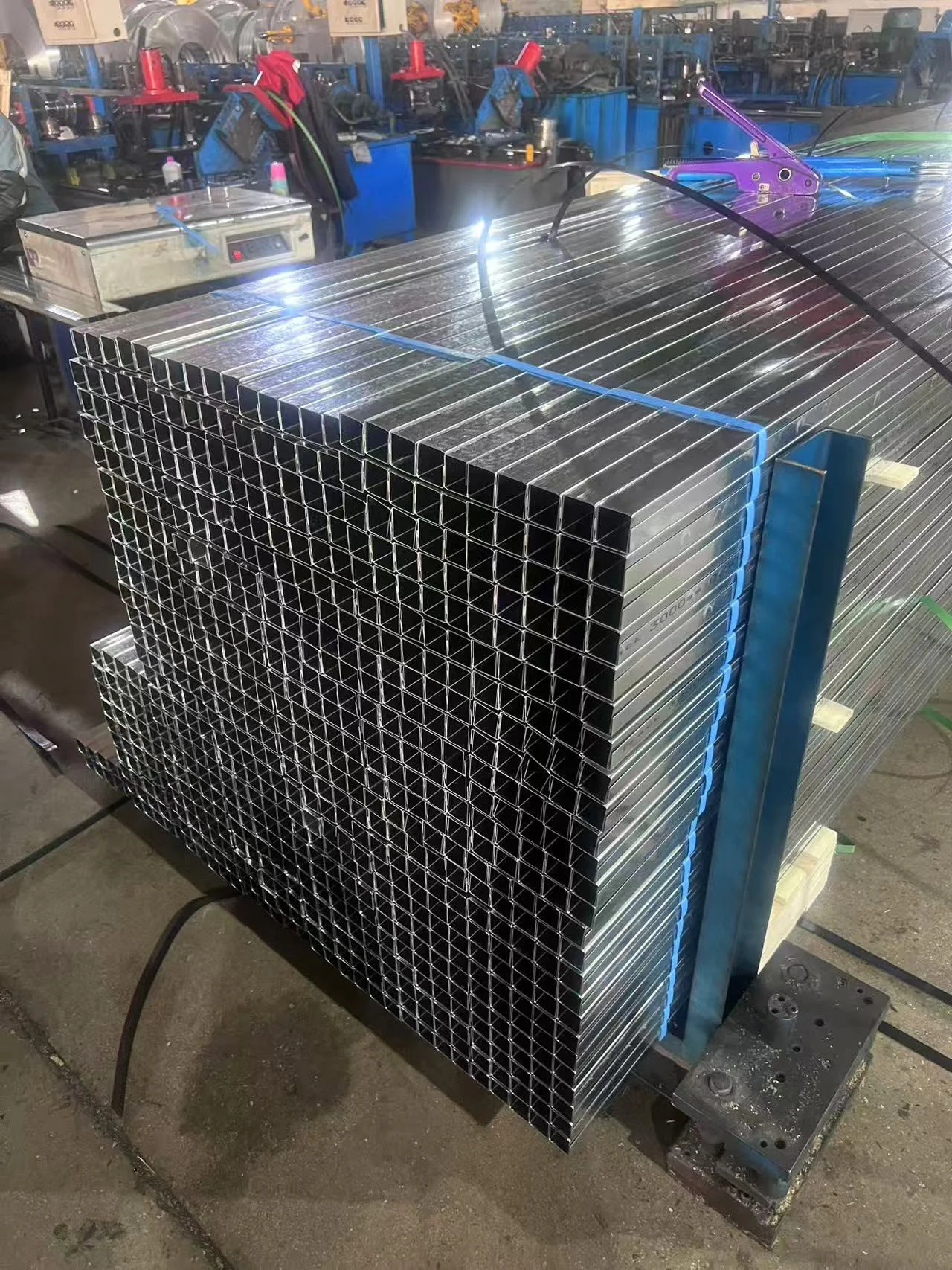
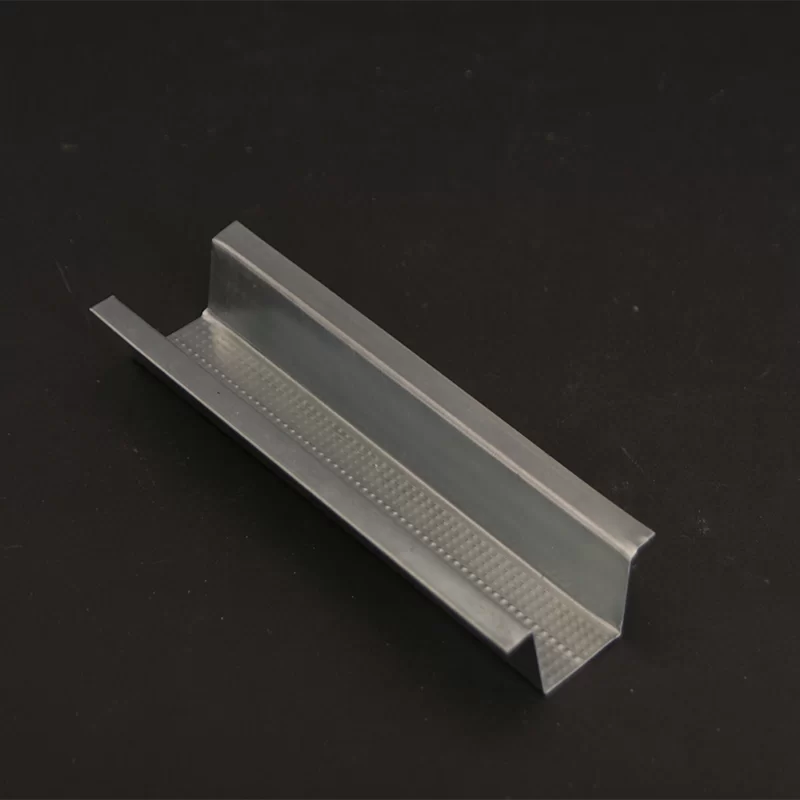
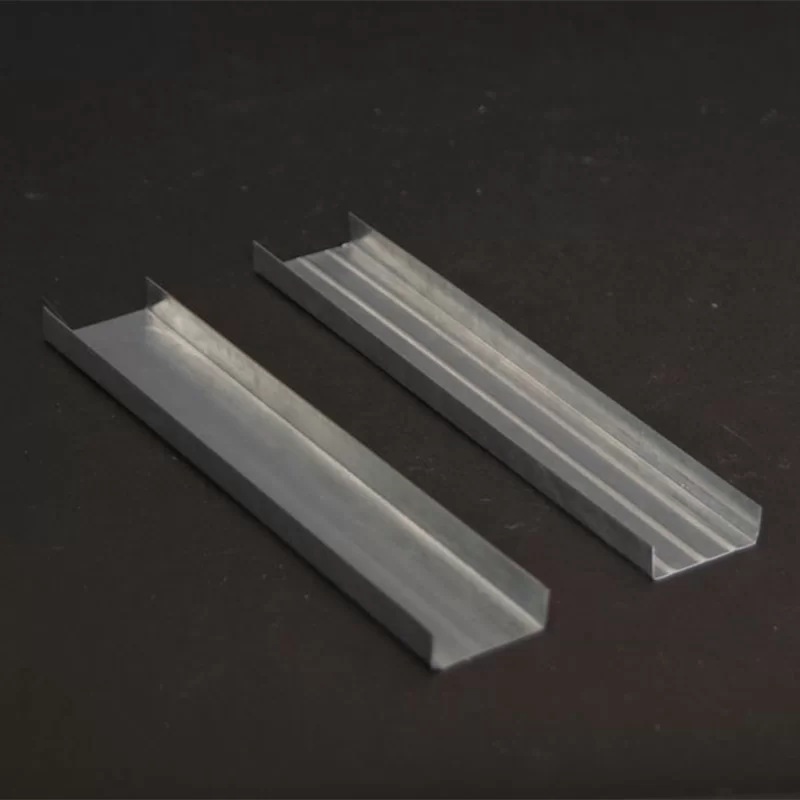
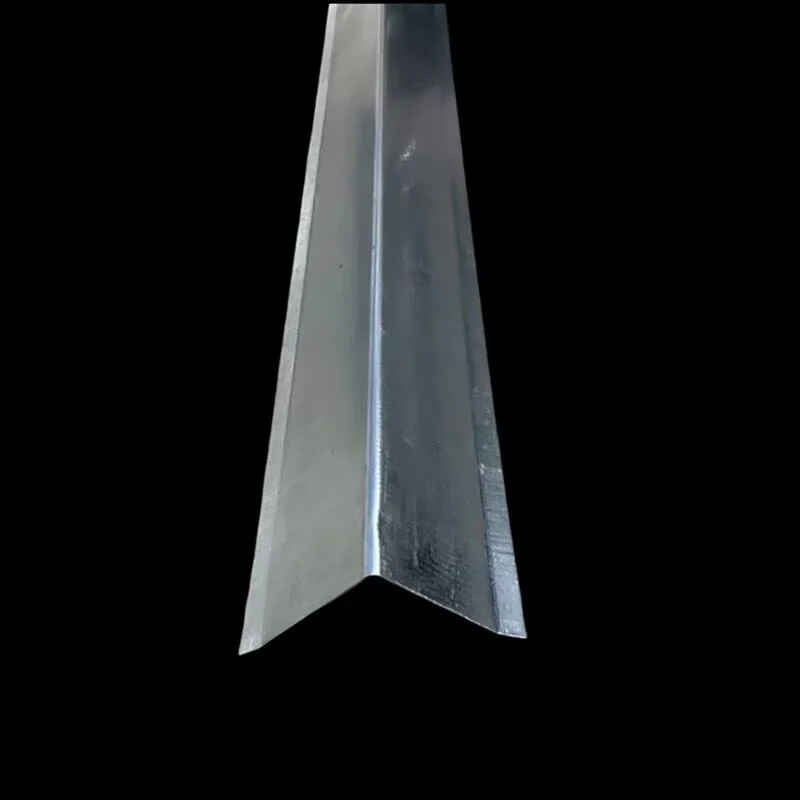
Designed for the South American market, the GI Angle is a core component of our professional furring ceiling system. This high-performance suspended steel framing solution is engineered for gypsum board installation, providing a strong and lightweight structural base that remains concealed behind the finished ceiling surface.
The system is well suited to projects that require a clean, refined ceiling appearance with a smooth surface for professional painting or wallpaper application. Manufactured from precision-engineered galvanized steel, it provides reliable stability and long-term performance for construction projects across the South American building market.
Detailed Product Parameters
| Product Name | GI Angle / Furring System | Application | Suspended Ceiling Framing |
|---|---|---|---|
| Profile Size | 25.4 x 25.4 mm | Available Thickness | 0.30 mm - 0.60 mm |
| Standard Length | 3.0 Meters | Custom Lengths | Available upon request |
| Material | Galvanized Steel (GI) | Finish Type | Smooth / Concealed Grid |
| Compatibility | Gypsum Boards | Regional Standard | South American System |
Key Product Advantages
Corrosion Resistance
The galvanized steel surface helps resist rust and oxidation, supporting dependable performance in humid environments.
Efficient Installation
The system is engineered for straightforward assembly, helping reduce installation time and onsite labor requirements.
Smooth Ceiling Finish
Its concealed grid structure creates a clean, even ceiling surface suitable for painting or wallpaper installation.
Reliable Stability
Precision-rolled profiles provide stable support for gypsum boards while helping minimize deflection.
Flexible Aesthetic Applications
Suitable for offices, retail spaces, residential buildings, and other projects requiring a clean, modern ceiling design.
Customizable Specifications
Available thickness and length options can be tailored to specific project requirements and load conditions.
Product Gallery
Project Management Support
Inventory Control
Real-time GI profile tracking helps maintain a consistent supply for large-scale construction projects.
Precision Production
Automated rolling mills support consistent dimensional accuracy throughout production.
Quality Assurance
Production follows international ASTM and regional South American quality requirements.
Logistics Optimization
Streamlined shipping arrangements to South American ports help manage lead times and freight costs.
Order Customization
Custom length and thickness requests can be coordinated for specialized construction projects.
Technical Support
Technical guidance is available for installation planning and load-bearing calculations for architects and engineers.
Investment Return Comparison
| Comparison Metric | Traditional Wood Frame | Our GI Furring System |
|---|---|---|
| Installation Speed | Slow / Manual | Fast / Modular |
| Durability | Prone to Termites/Rot | High Corrosion Resistance |
| Surface Finish | Uneven / Joint Issues | Consistently Smooth Surface |
| Fire Rating | Combustible | Non-combustible Steel |
| Lifecycle Cost | High Maintenance | Low Long-term Maintenance |
Frequently Asked Questions
The GI Angle is designed for regional climate and construction requirements. It provides a lightweight, corrosion-resistant, and stable frame for gypsum boards while supporting a smooth, professional ceiling finish.
Yes. The standard length is 3.0 meters, and custom lengths are available upon request to match project drawings and help reduce onsite material waste.
The system uses a concealed grid structure. Once the steel profiles are covered with gypsum boards, the ceiling surface is seamless and ready for painting or wallpaper application.
Available thicknesses range from 0.30 mm to 0.60 mm. Thicker profiles may be selected for larger spans or projects that include additional ceiling fixtures.
Yes. Its durable galvanized steel construction and professional appearance make it suitable for offices, hotels, shopping malls, and other commercial spaces requiring a clean, plain ceiling.
The products undergo a galvanization process that forms a protective zinc layer, helping resist rust and corrosion in high-humidity and tropical environments.